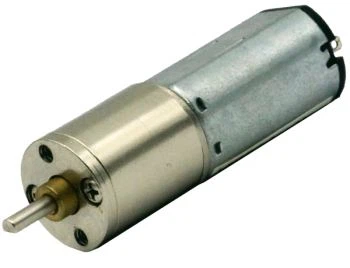
Request for Proposal (RFP) prototyping for miniature motion components is a high-risk, time-intensive stage for medical original equipment manufacturers. Unlike standard off-the-shelf component procurement, custom micro gearmotor development requires tight alignment between OEM mechanical, electrical, procurement teams and motor supplier engineers. Many medical projects encounter delays due to misaligned technical assumptions, incomplete requirement documentation, overlooked compliance paperwork, or late-stage dimensional constraint changes. This article summarizes practical best practices for medical OEMs running RFP prototype projects for micro geared motors, based on real end-to-end R&D collaboration experience across sample fabrication, bench testing and vendor onboarding.

The most common root cause of RFP delays is changing mechanical constraints after OEM prototype testing starts. Medical device enclosure design evolves continuously during early development. When engineers add vibration isolation, sound insulation, sealing structures or assembly fixtures, the available space for the drive motor shrinks unexpectedly. In many projects, the motor diameter stays unchanged, but the total allowable assembly length becomes tighter. What was a feasible motor solution in the initial requirement becomes invalid after housing redesign. This forces both parties to assess whether the existing motor platform can be shortened, or a full redesign is required. In most cases, a drastic reduction of overall motor length will not be achievable on the existing motor platform, which means the OEM must choose between revising the mechanical housing or launching a fully customized motor development. This kind of late requirement change can push back prototype schedules by multiple weeks, so locking dimensional boundaries as early as possible is strongly recommended.
Q&A: Noise requirement definition in RFP
Q: What is the common issue with noise requirements in many medical RFP documents?
A: Many medical RFP documents mention "low noise" as a requirement without defining quantifiable decibel targets, test load conditions, test distance or operating duty cycle. Qualitative descriptions like "quiet enough for patient use" leave too much room for interpretation. Motor suppliers and OEM engineers may judge noise performance differently.
Q: Why subjective listening test is not sufficient?
A: Suppliers typically conduct noise testing under defined load and voltage conditions, while OEM engineers often rely on subjective listening evaluation during bench tests. Subjective human perception cannot capture subtle noise variation from gear material upgrades. Bronze or copper gear modifications can reduce meshing vibration, yet the improvement may only be measurable via acoustic instruments rather than audible by ear.
Q: What will happen if OEM cannot provide clear dB(A) targets and test load profiles?
A: Multiple rounds of sample iterations will be needed to converge on acceptable noise performance.
Sample planning strategy directly impacts the quality of RFP test results. A robust test matrix should include multiple variants: complete geared motor assemblies and bare motors without gearboxes. Separating the bare motor from gearbox helps engineers identify whether noise or torque issues originate from the motor core or gear meshing.
Q&A: Sample testing tips
Q: Why should we not disassemble and reuse the same test sample?
A: Disassembly and reassembly will alter gear preload and screw tension, introducing extra noise. If you re-test the same unit after disassembly, the test data will not represent the original factory condition.
Q: What is the recommended solution for internal gear inspection?
A: Reserve one sample exclusively for destructive inspection and keep remaining samples sealed and intact for functional performance comparison.
Procurement and vendor compliance work often gets underestimated in medical RFP timelines. US medical OEMs run strict supplier validation workflows before releasing purchase orders. Non-US vendors need to submit tax certification documents, completed W-8 forms and full cross-border banking information for ERP vendor setup. SAP and other procurement systems require specific bank identifiers for international payment setup, which are different from domestic US ACH banking details. Cross-border wire transfers rely on SWIFT codes instead of domestic bank routing numbers. This vendor onboarding process can take several weeks, even after technical requirements are fully agreed. OEM procurement teams should start vendor document collection in parallel with technical sample discussion, instead of waiting until technical specification sign-off.
Payment term negotiation is another frequent friction point in medical sample RFP. Medical procurement departments usually maintain standard net 60 payment terms for qualified production suppliers. However, custom prototype samples involve custom machining, gear modification and small batch manufacturing, which carry high upfront manufacturing cost. Most micro motor manufacturers require advance payment before starting sample production for custom RFP builds. OEM procurement teams sometimes need to apply special exceptions to their standard payment policies to accommodate sample supplier terms. Early discussion on payment terms avoids situations where technical work is ready, but PO release is blocked by internal payment policy rules.
Project pause management is a long-term consideration for medical component RFP. Medical device development cycles are notoriously unpredictable. Clinical roadmap adjustment, funding review, product redesign or regulatory planning can put a project into hold status for extended periods. When this happens, the partnership with your motion component vendor remains valuable. A reliable supplier archives all drawings, specification sheets, test reports and email communication history. When your project resumes later, the engineering team can quickly review prior iteration results instead of restarting the whole RFP process from scratch. Preserving historical sample data saves engineering labor and accelerates the restart timeline.
RFP Phase Checklist for Medical Micro Gearmotor Projects
| Stage | Core Deliverables | Common Risks |
|---|---|---|
| Requirement Lock | Dimension envelope, voltage, torque, noise target | Late dimensional change |
| Sample Fabrication | Multiple sample variants, dedicated tear-down unit | Long vendor compliance setup |
| Bench Testing | Loaded noise test data, torque and thermal logs | Distorted data after disassembly |
| Project Review | Test summary, cost estimate for mass volumes | Project temporary hold |
Successful RFP for medical micro gearmotors balances technical requirement discipline, structured sample planning, and early procurement compliance preparation. When OEM engineering and procurement teams align with motor suppliers on these items at the very beginning, teams cut iteration cycles and reduce unnecessary prototype cost.