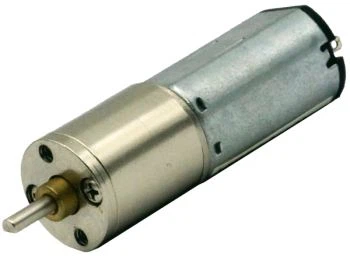
DC motors are commonly used in various applications due to their high torque and efficiency. However, these motors can experience various issues if their speed is not properly controlled. Here are some reasons why speed control of DC motors is necessary:
Efficiency: DC motors are typically more efficient at higher speeds, which means that controlling the speed of the motor can help improve its overall efficiency. By varying the speed according to the application's requirements, you can ensure that the motor is operating at its optimal level of efficiency, thereby reducing energy waste.
Load Variations: DC motors experience changes in load during operation, which can affect the speed of the motor. Load variations can occur due to various reasons such as changes in the load resistance or the addition of new loads to the system. Controlling the speed of the motor can help compensate for these load variations and maintain a constant speed.
System Stability: DC motors are interconnected with other components in a system, and proper speed control can help maintain stability within the system. If the speed of the motor is not controlled, it can lead to excessive vibrations, noise, and damage to system components. Speed control can help maintain a stable operating speed and minimize these issues.
Safety: In certain applications, such as high-speed fans or machine tools, controlling the speed of DC motors is crucial for safety purposes. It becomes essential to monitor and control the speed of these motors to ensure that they do not exceed their rated speed and cause harm to people or equipment.
Productivity: Controlling the speed of DC motors can help improve productivity in various applications. By varying the speed according to the requirements of the process or task, you can optimize the motor's performance and ensure that it is performing at its maximum potential. This can result in faster cycle times, increased output, and overall improved productivity.
In conclusion, controlling the speed of DC motors is necessary to ensure efficiency, maintain system stability, improve safety, optimize productivity, and compensate for load variations. Speed control devices such as variable resistors, controllers, and electronic speed controllers (ESCs) are commonly used to regulate the speed of DC motors. By implementing speed control measures, you can ensure smooth and reliable operation of your DC motor-driven system.