To lower the revolutions per minute (RPM) on an electric motor, several methods can be implemented. The most common and effective methods include using a gearbox, controlling the motor speed with a variable frequency drive (VFD), or physically changing the motor's poles.
Using a Gearbox:
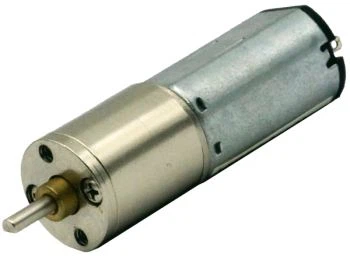
A gearbox can be connected to the output shaft of the electric motor to change the RPM. A gearbox has different gear ratios that can be selected depending on the required speed. For example, if the motor is currently running at 1,000 RPM and the required speed is 500 RPM, a gearbox with a ratio of 2:1 can be used. The gearbox will reduce the RPM to half without changing the torque output.
Controlling the Motor Speed with a Variable Frequency Drive (VFD):
A VFD is an electronic device that can control the speed of an electric motor by varying the frequency of the power supply. The VFD senses the motor's RPM and adjusts the frequency to maintain the desired speed. By decreasing the frequency, the VFD slows down the motor's RPM. Conversely, increasing the frequency increases the RPM. A VFD is commonly used in industrial applications to control the speed of electric motors precisely.
Physically Changing the Motor's Poles:
This method is not commonly used as it requires disassembling the motor and changing the position of its magnetic poles. However, it can be done for some types of electric motors. By physically changing the position of the magnetic poles, the RPM of the motor can be altered. This method is labor-intensive and requires skilled personnel to perform accurately.
It is important to consider that decreasing the RPM of an electric motor may require additional equipment such as a gearbox or VFD, which can add cost and complexity to the system. Additionally, depending on the application, reducing the RPM may also reduce the torque output of the motor, affecting its performance. Therefore, selecting an appropriate method should be done based on the specific requirements of the system and application.