

Speed stability is a crucial performance metric when it comes to small geared motors. As a supplier of Small Geared Motors, I've witnessed firsthand the importance of this characteristic in various applications. In this blog post, I'll delve into what speed stability means for small geared motors, the factors that affect it, and why it matters in real - world scenarios.
Understanding Speed Stability in Small Geared Motors
Speed stability refers to the ability of a small geared motor to maintain a consistent rotational speed under different operating conditions. In an ideal situation, the motor would run at a fixed speed, regardless of changes in load, voltage, or temperature. However, in practical applications, achieving perfect speed stability is a challenging task.
Let's take a closer look at the key aspects of speed stability. First, the rated speed of a small geared motor is specified by the manufacturer. This is the speed at which the motor is designed to operate under specific conditions, typically a nominal voltage and a light - load state. But when the motor is in use, the actual speed can deviate from the rated speed due to a variety of factors.
Factors Affecting Speed Stability of Small Geared Motors
Load Variations
One of the most significant factors that can influence speed stability is the load on the motor. As the load increases, the motor has to work harder to maintain its speed. For example, in a robotic arm application, when the arm is carrying a heavier object, the small geared motor responsible for the movement of the arm experiences an increased load. If the motor does not have good speed - stabilizing capabilities, its rotational speed will decrease significantly under this additional load.
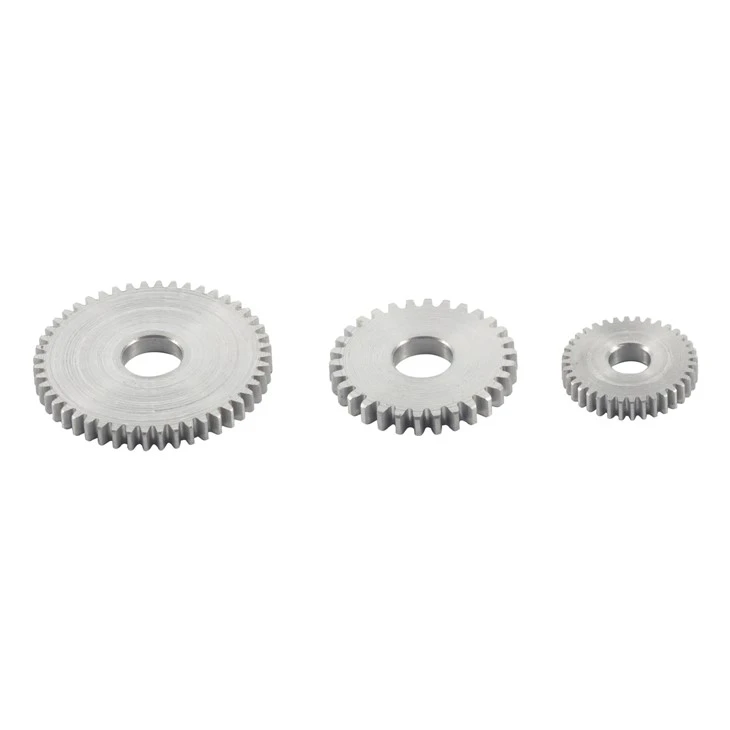
The gearing system in a small geared motor plays a role here. It can help transfer the power from the motor to the load more effectively. A well - designed gearbox can reduce the impact of load variations on the motor's speed. For instance, a high - ratio gearbox can increase the torque output of the motor, allowing it to handle heavier loads with less speed deviation.
Voltage Fluctuations
Voltage fluctuations are another common factor that affects speed stability. Small geared motors are usually powered by DC sources, and any changes in the supply voltage can directly impact the motor's speed. If the voltage drops, the motor may not receive enough power to maintain its speed, resulting in a decrease in rotational speed. Conversely, if the voltage exceeds the rated value, the motor may run faster than intended, which can be dangerous in some applications.
Suppose you are using a 3V Mini Gear Motor in a battery - powered device. As the battery discharges over time, the voltage supplied to the motor will gradually decrease. A motor with poor speed stability will experience a significant drop in speed as the voltage drops, while a motor with good speed stability will be able to maintain a relatively constant speed even with a certain degree of voltage variation.
Temperature Changes
Temperature can also have a notable impact on the speed stability of small geared motors. As the temperature rises, the resistance of the motor's windings increases. This increase in resistance leads to a decrease in the current flowing through the motor, which in turn reduces the motor's torque and speed.
In addition, high temperatures can affect the lubrication properties of the gearbox. If the lubricant becomes too thin due to high temperatures, the friction in the gearbox may increase, causing the motor to work harder and potentially reducing its speed. On the other hand, extremely low temperatures can make the lubricant thicker, also increasing friction and affecting speed stability.
Importance of Speed Stability in Different Applications
Robotics
In the field of robotics, speed stability is of utmost importance. Robots often need to perform precise movements, and any variation in the speed of the small geared motors used in their joints can lead to inaccurate positioning and erratic movements. For example, in a pick - and - place robot, the motor controlling the gripper's movement needs to have excellent speed stability to ensure that the robot can pick up and place objects accurately. If the motor speed is not stable, the robot may drop the object or place it in the wrong position.
Medical Devices
Medical devices, such as insulin pumps and infusion devices, rely on the speed stability of small geared motors. These devices need to deliver a precise amount of medication at a constant rate. A small deviation in motor speed can lead to incorrect dosages, which can have serious consequences for patients. Therefore, medical device manufacturers require small geared motors with extremely high speed stability to meet the strict safety and accuracy requirements.
Consumer Electronics
In consumer electronics, speed stability also plays a significant role. For example, in a camera's autofocus system, a Micro Metal Gear Motor is used to move the lens elements. If the motor speed is not stable, the autofocus function may not work properly, resulting in blurry images. Similarly, in a hard disk drive, the motor that drives the disk platters needs to maintain a stable speed to ensure reliable data reading and writing.
How Our Small Geared Motors Ensure Speed Stability
As a supplier of Small DC Gear Motors, we take several measures to ensure high - level speed stability in our products.
First, we use high - quality materials in the manufacturing of our motors and gearboxes. The motor windings are made of high - purity copper, which has low resistance and can maintain stable performance under different temperature conditions. The gears in our gearboxes are precision - machined to ensure smooth operation and minimize friction, which helps to reduce speed variations caused by load changes.
Second, we implement advanced control technologies in our motor design. For some of our products, we use feedback control systems, such as encoders, to continuously monitor the motor speed and make real - time adjustments. This allows the motor to quickly adapt to changes in load, voltage, or temperature and maintain a stable speed.
In addition, we conduct rigorous testing on all our small geared motors before they are shipped to customers. We test the motors under different load, voltage, and temperature conditions to ensure that they can meet the specified speed - stability requirements.
Conclusion
Speed stability is a vital characteristic of small geared motors, and it has a significant impact on the performance and reliability of various applications. As a supplier, we understand the importance of providing high - quality motors with excellent speed - stabilizing capabilities. Whether you are in the robotics, medical device, or consumer electronics industry, our small geared motors can meet your needs.
If you are interested in our products and would like to discuss your specific requirements, please feel free to reach out. We are more than happy to provide you with detailed product information and technical support. Let's work together to find the best small geared motor solutions for your projects.

References
- Craig, J. J. (2005). Introduction to Robotics: Mechanics and Control. Pearson Prentice Hall.
- Dorf, R. C., & Bishop, R. H. (2016). Modern Control Systems. Pearson.
- Johnson, R. A., & Johnson, R. E. (2017). Electric Motors and Drives: Fundamentals, Types, and Applications. Newnes.


