

In the realm of mechanical engineering and automation, small geared motors play a pivotal role. As a supplier of Small Geared Motors, I've witnessed firsthand the growing demand for these compact yet powerful devices across various industries. One of the most frequently asked questions I encounter is whether small geared motors are energy - efficient. In this blog post, I'll delve into the scientific aspects of small geared motors and explore their energy - efficiency.
Understanding Small Geared Motors
Small geared motors are a combination of a small electric motor and a gearbox. The motor provides the power, while the gearbox adjusts the speed and torque of the motor's output. These motors come in different types, such as DC motors and AC motors, and are used in a wide range of applications, from household appliances to industrial automation.
The Small DC Gear Motor is a popular choice due to its simplicity and controllability. It can be easily adjusted to provide the required speed and torque for different tasks. On the other hand, the Small Geared Motor is a more general term that encompasses various types of motors with gearboxes. The Micro Metal Gear Motor is another type, known for its durability and high - precision performance.
Factors Affecting Energy Efficiency
Motor Design
The design of the motor itself is a crucial factor in determining its energy efficiency. High - quality motors are designed with advanced materials and manufacturing techniques to reduce energy losses. For example, the use of low - resistance windings can minimize heat generation, which in turn reduces energy consumption. Additionally, the magnetic circuit design can also affect the motor's efficiency. A well - designed magnetic circuit can ensure that the magnetic field is effectively utilized, resulting in less energy waste.
Gearbox Efficiency
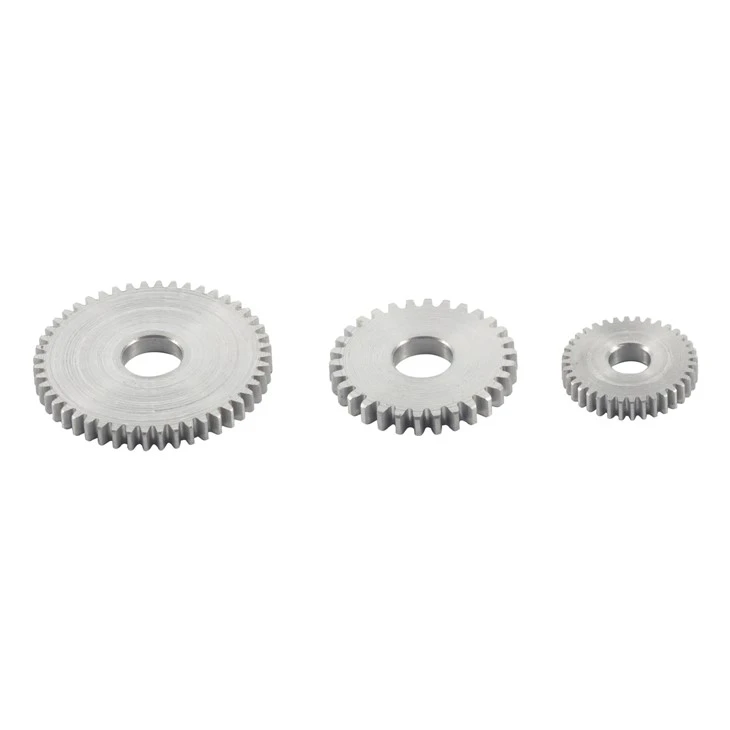
The gearbox is an integral part of the small geared motor. The efficiency of the gearbox depends on several factors, such as the type of gears used, the lubrication, and the manufacturing quality. For instance, helical gears are generally more efficient than spur gears because they have a larger contact area, which reduces friction and energy losses. Proper lubrication is also essential to minimize friction between the gears. If the gearbox is not properly lubricated, the energy required to overcome friction will increase, leading to lower efficiency.
Load Characteristics
The load characteristics of the application also play a significant role in the energy efficiency of small geared motors. If the motor is operating at a load that is significantly different from its rated load, its efficiency will decrease. For example, if a motor is designed to operate at a certain torque and speed but is running at a much lower load, it may consume more energy than necessary. Therefore, it is important to match the motor's specifications with the load requirements of the application to ensure optimal energy efficiency.
Energy - Saving Technologies in Small Geared Motors
Variable Speed Drives
Variable speed drives (VSDs) are an effective way to improve the energy efficiency of small geared motors. VSDs allow the motor to operate at different speeds according to the load requirements. When the load is low, the motor can run at a lower speed, consuming less energy. As the load increases, the speed of the motor can be adjusted accordingly. This not only saves energy but also extends the lifespan of the motor.
Energy - Efficient Materials
The use of energy - efficient materials in the manufacturing of small geared motors can also contribute to their energy efficiency. For example, the use of high - performance magnets in the motor can reduce the energy required to generate the magnetic field. Additionally, the use of lightweight materials in the gearbox can reduce the overall weight of the motor, which in turn reduces the energy required to move the motor.
Case Studies: Energy Efficiency in Real - World Applications
Household Appliances
In household appliances, such as refrigerators and washing machines, small geared motors are widely used. These motors are designed to operate at different speeds depending on the task. For example, in a refrigerator, the motor may run at a lower speed when the temperature inside the refrigerator is stable and increase the speed when the door is opened and the temperature needs to be adjusted. By using variable speed drives and energy - efficient motors, these appliances can significantly reduce their energy consumption.
Industrial Automation
In industrial automation, small geared motors are used in conveyor systems, robotic arms, and other equipment. These applications often require precise control of speed and torque. By using energy - efficient motors and gearboxes, industrial companies can reduce their energy costs and improve their overall productivity. For example, in a conveyor system, the motor can be adjusted to run at the optimal speed according to the amount of material being transported, saving energy and reducing wear and tear on the equipment.
Conclusion
In conclusion, small geared motors can be highly energy - efficient if they are designed and used correctly. The motor design, gearbox efficiency, and load characteristics all play important roles in determining the energy efficiency of these motors. By using energy - saving technologies such as variable speed drives and energy - efficient materials, the energy consumption of small geared motors can be significantly reduced.

As a supplier of Small Geared Motors, I am committed to providing high - quality, energy - efficient products to our customers. If you are interested in learning more about our products or have any questions regarding the energy efficiency of small geared motors, please feel free to contact us for further discussion and potential procurement. We look forward to working with you to find the best solutions for your needs.
References
- Electric Motor Handbook, Second Edition, by Heinz H. Trutt.
- Handbook of Electric Motors, Second Edition, by Irving L. Kosow.
- Energy - Efficient Electric Motor Systems, by International Energy Agency.


